
A Message from Our Festival Director
Poring through the hundreds of films shared with us for our consideration this year, one of the emergent themes began to fill me with a profound sense that ecologically speaking, we are together in a moment worthy of our hope.
It wasn’t a theme in the conventional sense, such as love, death, unity, or redemption (all good themes). Nor did it have anything to do with the sense that someone or something is coming from somewhere outside of ourselves to save humanity from ruin. This hope sprung from the abundance of multifaceted creativity that warmed the screen and speakers as I watched all sorts of cinematic dreams beaming in from around the living world, hopeful to find their way, ultimately, into your willing heart.
The words that came to mind, giving shape to this nebulous theme: expansive ecological imagination.
I spent a lot of time with this phrase in the months that followed. I had dozens of conversations with directors of these films about aspects of expansive ecological imagination—including curiosity, empathy, grief, and rebellion. (You can listen to some of these conversations on our new Global Ecological Cinema Podcast.)
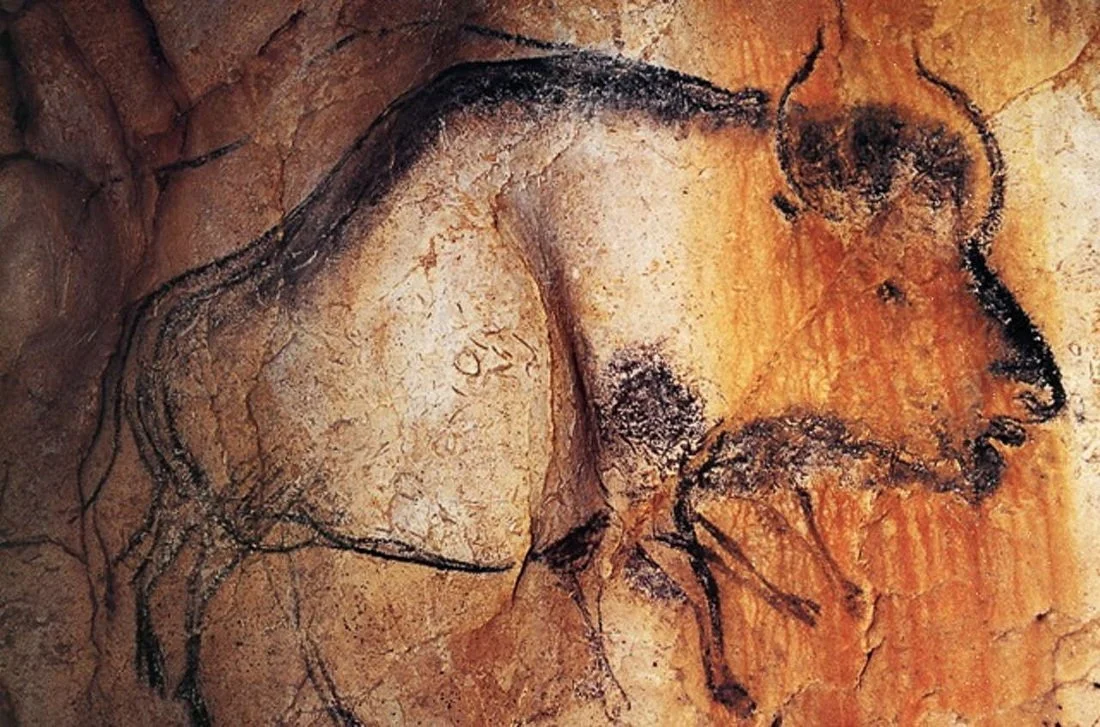
Expansive ecological imagination. The phrase is with me when David Bim (director of TO THE WEST IN ZAPATA) talks about the cinematic impulse. It’s associaion with mankind’s kinship to our more than human relatives is much older than cameras themselves. See the cave walls at Chauvet, where many thousands of years ago ancestors painted eight-legged bison who, once illuminated by flickering torch light, run.
Maya Han (director of PYROPHILES: ON FIRE AND FUNGI) shares a few of the many things she’s learned about the symbiosis of fire, fungi, life, and death. How many times do we confuse creation with destruction and vice-vera? How many human-made lines are locked in place for no other reason than we’ve accepted that they belong there despite our intuition screaming otherwise? “
Our ancestry is our future,” speaks an elder in Renata Mireilles and David Vêluz’s CRADLED BY THE EARTH.
Expansive ecological imagination. Abby Martin summons the phrase back into my mind with her her film, EARTH’S GREATEST ENEMY, inviting me and many others to imagine a post-military world.
In FIUME O MORTE! by Igor Bezinović and in AKABABURU by Irati Dojura, filmmakers show us that cinema has the power to bring justice where once hope may have been resigned to oblivion.
With so many brilliant humans applying their time, talents, energy, and perspective to imagining more expansive ecological realities, I rejoice in the remembrance: that is where we belong. Illuminated in this way, thanks be to cinema and other poetic instincts, the idea that a bleak and unjust future is a foregone conclusion can be seen for what it really is: a long con intrusion onto the collective destiny we know that has been calling to us from the other side of isolation and despair.
But enough about what all this means to me and others.
Expansive ecological imagination. Questions to consider:
Is expansive ecological imagination something you actively nurture in yourself and your communities? If so, how?
Are there ways that you would like to do this, which would bring you joy and perhaps shine a light to inspire others?
What are some words that you hope people in the future will use to describe their present?
To be continued…
Rozzell Medina
Festival Director and Curator
The Portland EcoFilm Festival